7 Topics Worth Writing If You Sell Software to Small Businesses
Seven blog topics for software companies selling to small businesses. Each maps to a stage of the buyer's decision and works without a content team.

In 1977, the Voyager 1 probe left Earth carrying a golden record. The record held music, greetings in 55 languages, and images of daily life. The intended audience: an extraterrestrial civilization that had never encountered a human being. NASA’s team had to decide what to say when the listener had zero context for who they were or what they’d built. That’s the same problem most small software companies face every time they sit down to write a blog post.
A content strategy for small business software companies usually starts in the wrong place. It starts with features, release notes, and technical language written for an audience that already understands the product. The actual buyers, small business owners with no technical background, are searching in plain English for their problems. Your product name is not in the query.
I’ve put together 7 topic types that connect with those buyers at every stage of their decision:
1. The “do you actually need this?” post. 2. The plain-English “how it works” explainer. 3. The comparison post. 4. The use-case or industry-specific post. 5. The customer story post. 6. The “signs you need this” post. 7. The pricing and “is it worth it?” post.
Each one is something a founder or lean marketing team can write without an agency, a content function, or a background in marketing. If you want to go deeper on where to find the specific angles for these topics, I’ve written separately about 7 ways to find topics your customers actually search for.
Why Most Software Blogs Miss the People Actually Buying
Small business owners who need software don’t search for your feature set. They search for their frustration. “Why do I keep losing track of client invoices.” “How to stop double-booking appointments.” “Do I need scheduling software for a 3-person team.” The language is personal, situational, and completely free of jargon.
Feature announcements and product update posts reach the people who already know your name. That’s a useful audience, but it’s a tiny one. Buyer education content for software companies reaches a much larger group: the people forming their shortlist right now, before they know which category of software they need or that your product exists.
Content marketing for SaaS companies selling to small businesses works when it meets buyers during the awareness stage. That’s the moment when someone is Googling their problem, reading a few posts, and deciding whether software is even the right answer. If your content is there with a clear, honest explanation, you’re on the shortlist before a competitor’s name comes up.
Here’s the structural advantage for smaller players: larger software companies publish for technical evaluators and procurement teams. Plain-English content aimed at a specific business type or use case often faces less competition in search. That gap is yours to fill.

The 7 Blog Topics for SaaS Companies Selling to Small Businesses
These 7 content topics for small business software companies map to different moments in the buyer’s decision. A founder can start with whichever one feels most urgent. There’s no required order.
1. The “do you actually need this?” post. This one meets buyers before they’ve decided software is the answer. The biggest objection in small business software sales is “is this something I actually need?” A post framed around the problem, written without mentioning your product until the final paragraph, earns trust by putting the reader’s situation first. If the honest answer is “maybe not yet,” say so. That honesty is what brings them back.
2. The plain-English “how it works” explainer. Fear of the unfamiliar kills more software sales than price does. A post showing what using the software looks like on a typical Tuesday, with no technical terms, is where non-technical buyers decide whether something is “for someone like me.” Walk through the daily experience and leave the architecture out.
3. The comparison post. Small business owners use “X vs Y” and “best [software type] for [business type]” searches to build a shortlist without asking a technical evaluator. A well-written comparison post puts you directly into that conversation. The key is fairness: acknowledge where alternatives are strong, and be specific about where your approach differs. If you’re looking for which comparison pairs to prioritize, figuring out the 10 search terms worth owning is a good starting point.
4. The use-case or industry-specific post. A post written for a salon owner is more likely to resonate than one written for “small businesses” because the reader sees themselves in it. The specificity is the value. Pick the 2 or 3 business types that make up your best customers and write a post for each one. Name the industry in the headline. Describe the daily workflow. The reader should feel like you built the software for them.
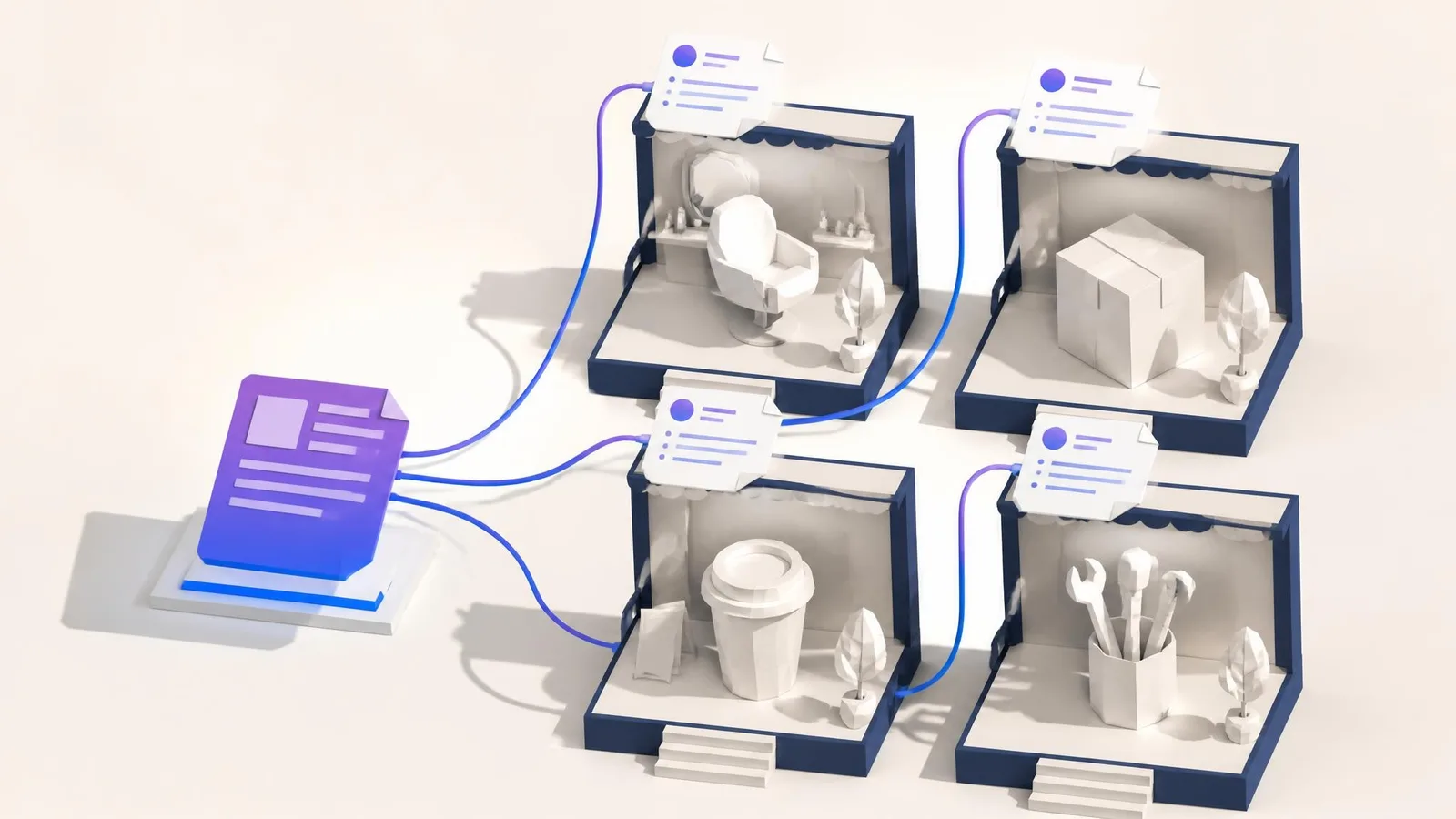
5. The customer story post. Even with 2 or 3 customers, a short story about what changed when someone started using the software is more persuasive than any feature list. Describe the situation before, the switch, and the result after. Keep it concrete: “They went from tracking jobs on a whiteboard to having every appointment confirmed automatically” is more useful than a paragraph of adjectives. (A note: I’d recommend collecting a real customer story before publishing this one. A constructed scenario can hold the spot in your editorial calendar, but a genuine account from a real user carries more weight with both readers and search engines.)
6. The “signs you need this” or “common mistakes” post. If someone’s been doing something the hard way, a post that names that exact experience builds immediate credibility. “5 signs your invoicing process is costing you clients” speaks directly to the frustration the buyer is already feeling. This topic validates their situation and positions your software as the logical next step, without a hard sell.
7. The pricing and “is it worth it?” post. Buyers who’ve already read your honest answer to “is this worth the money?” arrive at the trial page with the cost objection addressed. Hiding pricing information loses the high-intent buyers who’ll go to a transparent competitor instead. Publishing it openly filters out the people who were never going to buy and brings in the ones who are ready.
Together, these 7 topics cover the full journey from “I have a problem” to “I’m ready to try this.”
Finding the Right Angle for Each Topic
Having the topic type is the starting point. The angle inside the topic, which business type, which frustration, which comparison pair, is what determines whether the post ranks or gets ignored.
For a founder or lean marketing team writing content without a content function, the fastest way to find the right angle is to listen to what potential buyers are already searching for in plain language. Content ideas for SaaS startups with no marketing team don’t require a keyword research background. They require paying attention to the questions buyers ask before and during the sales conversation. The phrasing your customers use in emails, support tickets, and sales calls is often the exact phrasing they typed into Google 10 minutes earlier.
I’ve written 2 companion pieces that walk through this in detail: 7 ways to find topics your customers actually search for covers the discovery process, and the keyword prioritization guide helps you decide which angles to write first.

Frequently Asked Questions
What should I write on a software company’s blog?
The blog exists to reach buyers who don’t know your product yet. Start with the 7 topic types in this article: the “do you need this?” post, the plain-English explainer, the comparison post, the use-case post, the customer story, the “signs you need this” post, and the pricing post. Each one answers a real question a potential buyer has at a different stage of their decision. Pick the one closest to the conversations you’re already having in sales and write that one first.
How do you explain software to small business owners?
Write for the problem. Lead with the buyer’s situation. Use the language buyers use to describe their situation before they knew software could solve it. If a salon owner says “I keep losing track of who’s coming in tomorrow,” that’s your opening line. “Our intelligent scheduling engine leverages real-time calendar sync” is the version that loses them. Drop the jargon, drop the features, and describe the experience of using the tool in terms a non-technical person would use to tell a friend about it.
How can a software company show up in AI answers?
AI search surfaces like ChatGPT, Perplexity, and Google AI Overviews pull from educational and definitional content. A plain-English explainer post that clearly answers a specific question may be more likely to surface in an AI-generated answer than a feature page or a product announcement. Writing the kinds of posts in this list, the ones that explain concepts, compare options, and address real questions, is how a small software company builds search and AI visibility over time.
What content converts readers into software trial sign-ups?
The posts closest to the buying decision are the comparison post, the pricing post, and the customer story. These are the topics to prioritize if conversion is the immediate goal, because they reach people who’ve already identified their problem and are evaluating solutions. The awareness-stage posts (the “do you need this?” and “signs you need this” topics) build the audience that eventually arrives at those conversion posts. Both matter; the conversion topics just pay off faster. If you want to act on these 7 topics without building a content production workflow from scratch, here’s how cpywrk turns topics into published content.
What to Do Next
- Pick the 1 topic from this list that matches the question you hear most often in sales conversations, and write that post this week. A single well-chosen post published this month is worth more than a 12-month editorial calendar that stays in a spreadsheet.
- Collect 1 real customer story now, even if it’s a 3-sentence email from a happy user. That story becomes the raw material for Topic 5 and strengthens every other post you write.
- If you don’t have time to build the writing, editing, and publishing workflow yourself, Start free trial.
cpywrk
Every article here was made by cpywrk itself: researched, drafted, and run through the same quality and GEO checks the product applies to customer content, then read and approved by a person before it publishes. The blog is the proof.
Related reading
When to Use AI for Content: 7 Jobs to Delegate, 3 to Keep
Discover which content tasks AI handles reliably and which three you must keep yourself, based on where AI is confidently wrong about real-world facts.
7 min read
8 Ways to Keep Your Brand Voice in AI Copywriting
AI drafts default to generic. Here are 8 interventions, from prompt setup to post-draft editing, that keep your brand voice in AI copywriting intact.
6 min read
6 Checks to Run Before Publishing Anything a Machine Drafted
Run these 6 checks before publishing AI content to catch hallucinations, brand voice drift, broken links, and the errors fluency alone won't reveal.
7 min read