7 Headline Patterns That Earn the Click Honestly
Learn how to write compelling headlines that get clicks without overpromising. 7 honest patterns, a simple promise-delivery test, and a FAQ for founders.
In Inside Out 2, Anxiety arrives in Riley’s mind with a plan to protect her from everything that might go wrong. That premise raises a question worth following: what happens when the emotion trying to help takes too much control? The film explores the question it sets up.
A good headline makes a similar promise. It gives the right reader a reason to open the article, and the article follows through.
If your post gets impressions but few clicks, the headline may be too vague, aimed at the wrong reader, or promising a payoff the article does not offer. The seven patterns below help you write more specific headlines without drifting into clickbait. They’re especially useful for founders and lean marketing teams who value engagement quality over raw traffic numbers.
What Makes a Headline Clickbait?
A headline becomes clickbait when it creates an expectation the article does not meet. A number, a question, or a surprising claim is not inherently misleading. The test is whether the reader gets what they came for.
“The Headline Mistake I Made on Every Post for Two Years” can be an honest headline if the article identifies the mistake, shows its effect, and explains what changed. If the article never names the mistake, the headline has borrowed the reader’s attention without earning it.
Your headline should also sound like the rest of your business. If it promises a sensational reveal but the article offers measured advice, the mismatch can undermine trust. Brand voice guidelines for small teams can help writers keep that promise consistent.
7 Headline Patterns You Can Use
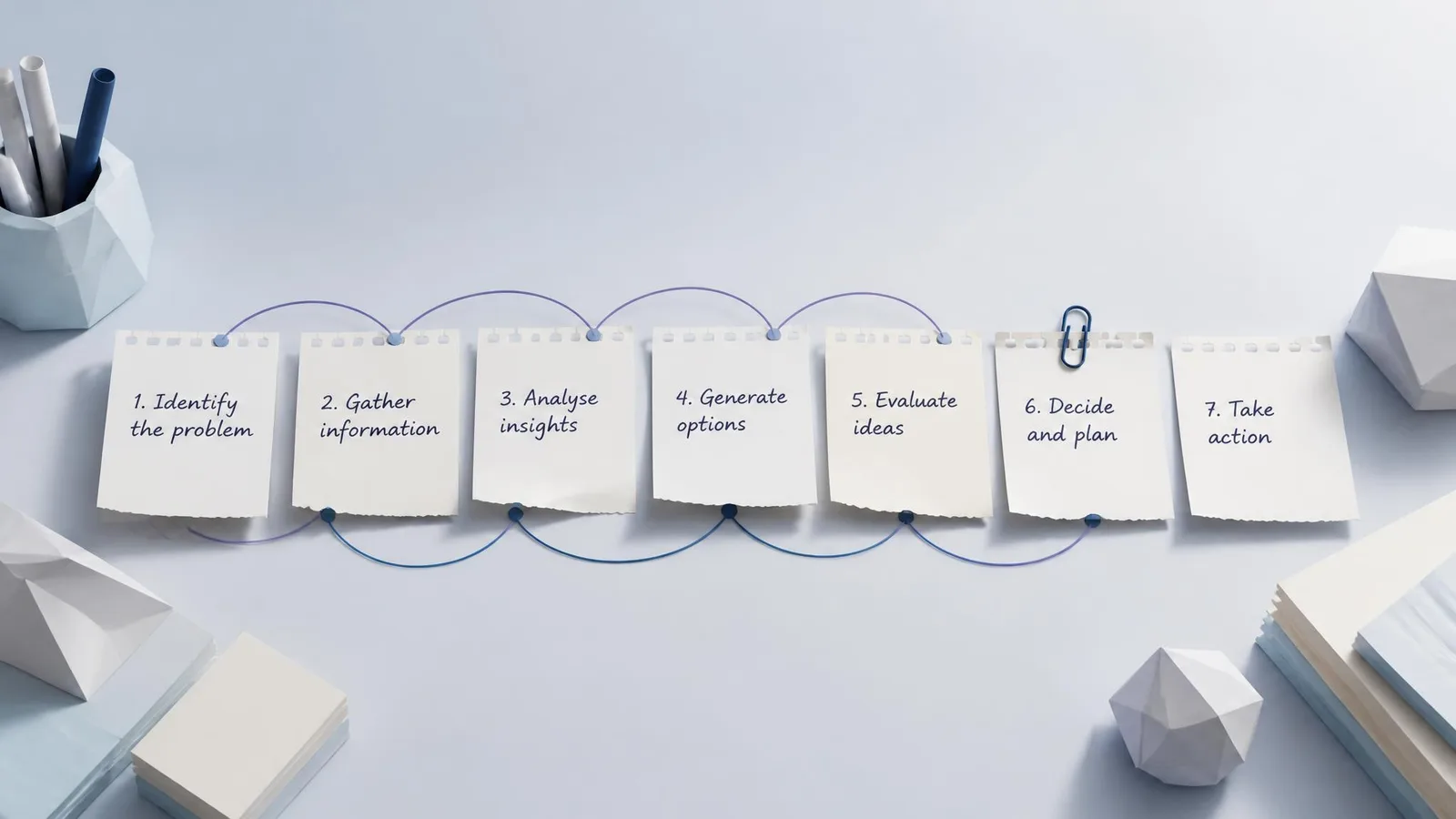
Each pattern offers a different way to tell readers what they will get. Choose the one that fits the article you have written.
1. The Specific Number List
A number tells readers the article has a defined scope. It works best when the items are distinct and useful.
Example: “5 Things to Include in Every Content Brief”
Honesty check: Does the article deliver five clear items? If the headline promises examples, templates, or results, those need to appear too.
2. The Named Outcome
Tell readers what the article will help them do.
Example: “How to Write a Blog Introduction That Gets to the Point”
Honesty check: Does the article show readers how to achieve that outcome? Avoid promising performance you cannot establish, such as a guaranteed increase in clicks or conversions.
3. The Honest Curiosity Gap
Raise a specific question while saving the answer for the article.
Example: “Why We Changed Our Publishing Schedule After Six Months”
Honesty check: Does the article explain what prompted the change and what the new schedule is? Curiosity works when there is a real answer on the other side of the click.
4. The Addressed Reader
Name the audience when the advice is especially relevant to them.
Example: “A Content Plan for Founders Without a Marketing Team”
Honesty check: Would that reader recognize their situation, and does the article account for their constraints? “For businesses” is rarely specific enough to help someone decide whether to read.
You can also name the reader’s problem. For example, an article about why blog posts are not ranking could address site owners who have published consistently but see little search traffic.
5. The Supported Reframe
Offer a different way to think about a familiar problem.
Example: “Your Content Calendar May Be Full of the Wrong Topics”
Honesty check: Does the article explain why topic choice is the issue and help readers assess their own topics? A contrarian headline needs an argument behind it, not just a bold opening line.
6. The Process Promise
Use “how to” when the article gives readers steps they can follow.
Example: “How to Build a Content Pipeline Without Hiring Writers”
Honesty check: Can readers identify what to do first, next, and last? If the article offers principles rather than a process, write a headline that promises principles.
7. The Before-and-After
Describe a change the article can genuinely explain.
Example: “From Scattered Ideas to a Monthly Content Plan: What We Changed”
Honesty check: Does the article show both the starting point and the changes that led to the result? Use numbers only when you can support them.
These patterns are starting points, not guarantees of a higher click-through rate. Their value is that they push you to be specific about the article’s audience and payoff.
Run the Promise Test Before You Publish
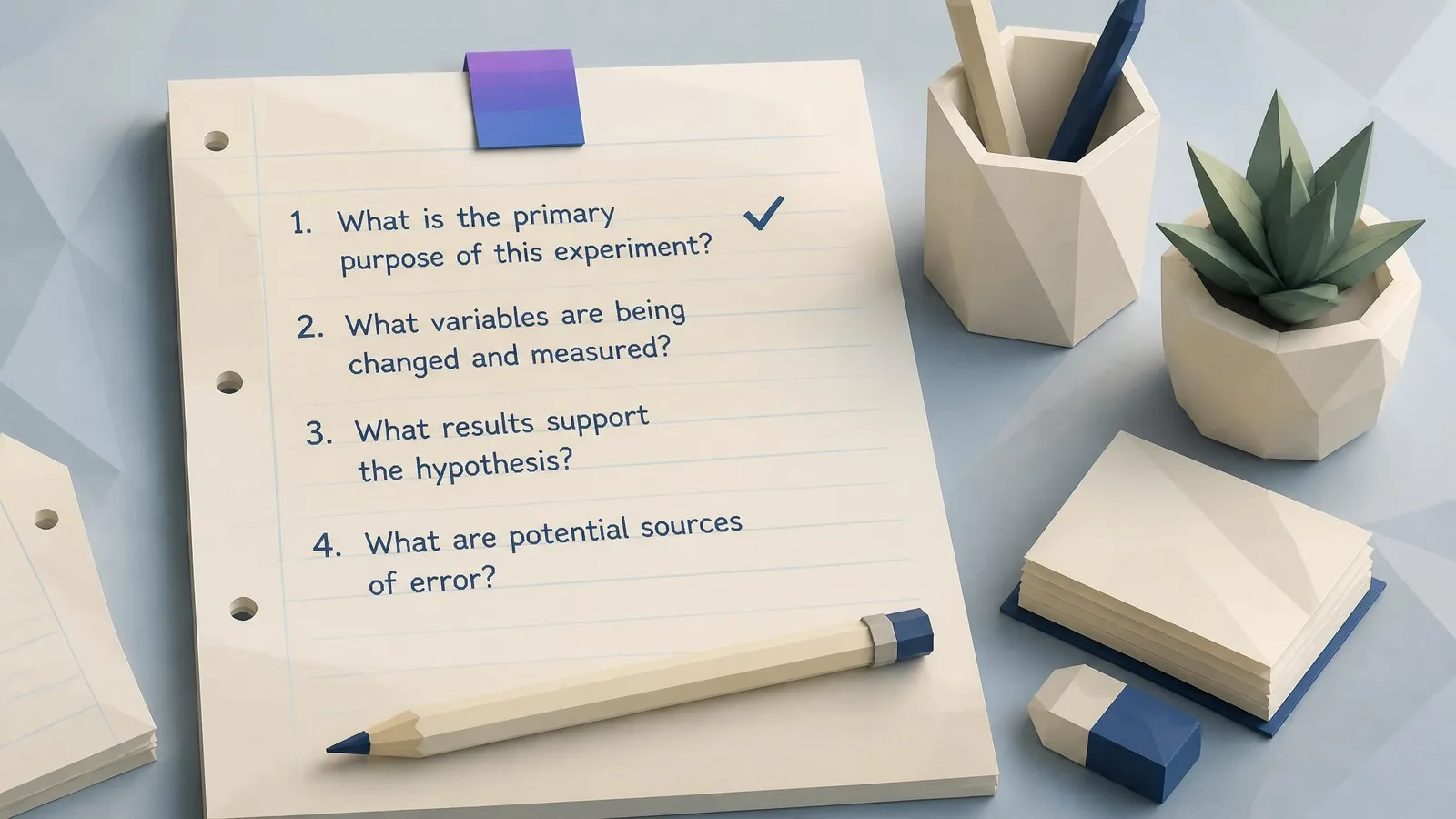
Write at least three headlines for your draft. Then test each one against the article:
- Who would click this? Is that the reader the article serves?
- What would they expect to find? Write the expectation in one sentence.
- Where does the article deliver it? Find the section that answers the question or fulfills the promise.
- Would they feel misled? If so, change the headline or strengthen the article.
Check the whole article, not only its introduction. The opening should show readers they are in the right place, but the promised answer may take several sections to explain.
You can draft a headline before writing to give the article direction. Revisit it after the draft is finished. If the article developed in a different direction, the headline should change with it.
Keep the wording concise, but do not treat a fixed character count as more important than a clear promise. Search results and social platforms may display titles differently. Put the most useful words early and cut filler first.
Frequently Asked Questions
Why does my post get impressions but few clicks?
A vague or poorly matched headline is one possible cause. Check the search query or feed context, then ask whether the headline tells that audience what the article offers. The topic and where the post appears matter too.
Can I use a question in a headline?
Yes, if the article answers it. A question should identify something the reader wants to know, not hide a routine point behind artificial suspense.
Should I write the headline before or after the article?
Try both. A working headline can focus the draft; a final headline should reflect what the finished article actually delivers.
How long should a blog headline be?
Long enough to make the topic and payoff clear, and short enough to scan easily. Put clarity ahead of an exact character target.
Make the Promise Easy to Keep
A headline earns attention by helping the right reader decide whether an article is for them. An article earns trust by delivering what that headline promised.
For a small team, that consistency matters across more than one post. It supports repeat readership and a coherent topical authority SEO strategy. Before publishing, read your headline as someone who has not seen the draft. Then find the answer, process, or evidence you promised them inside the article.
If you need help turning that practice into a repeatable publishing process, start a free trial of cpywrk.
cpywrk
Every article here was made by cpywrk itself: researched, drafted, and run through the same quality and GEO checks the product applies to customer content, then read and approved by a person before it publishes. The blog is the proof.
Related reading
When to Use AI for Content: 7 Jobs to Delegate, 3 to Keep
Discover which content tasks AI handles reliably and which three you must keep yourself, based on where AI is confidently wrong about real-world facts.
7 min read
8 Ways to Keep Your Brand Voice in AI Copywriting
AI drafts default to generic. Here are 8 interventions, from prompt setup to post-draft editing, that keep your brand voice in AI copywriting intact.
6 min read
6 Checks to Run Before Publishing Anything a Machine Drafted
Run these 6 checks before publishing AI content to catch hallucinations, brand voice drift, broken links, and the errors fluency alone won't reveal.
7 min read