6 Content Ideas for Manufacturers Whose Buyers Are Engineers
Six content formats that earn trust with engineering buyers, from application notes to indexed spec pages. Each contains information an engineer can verify.
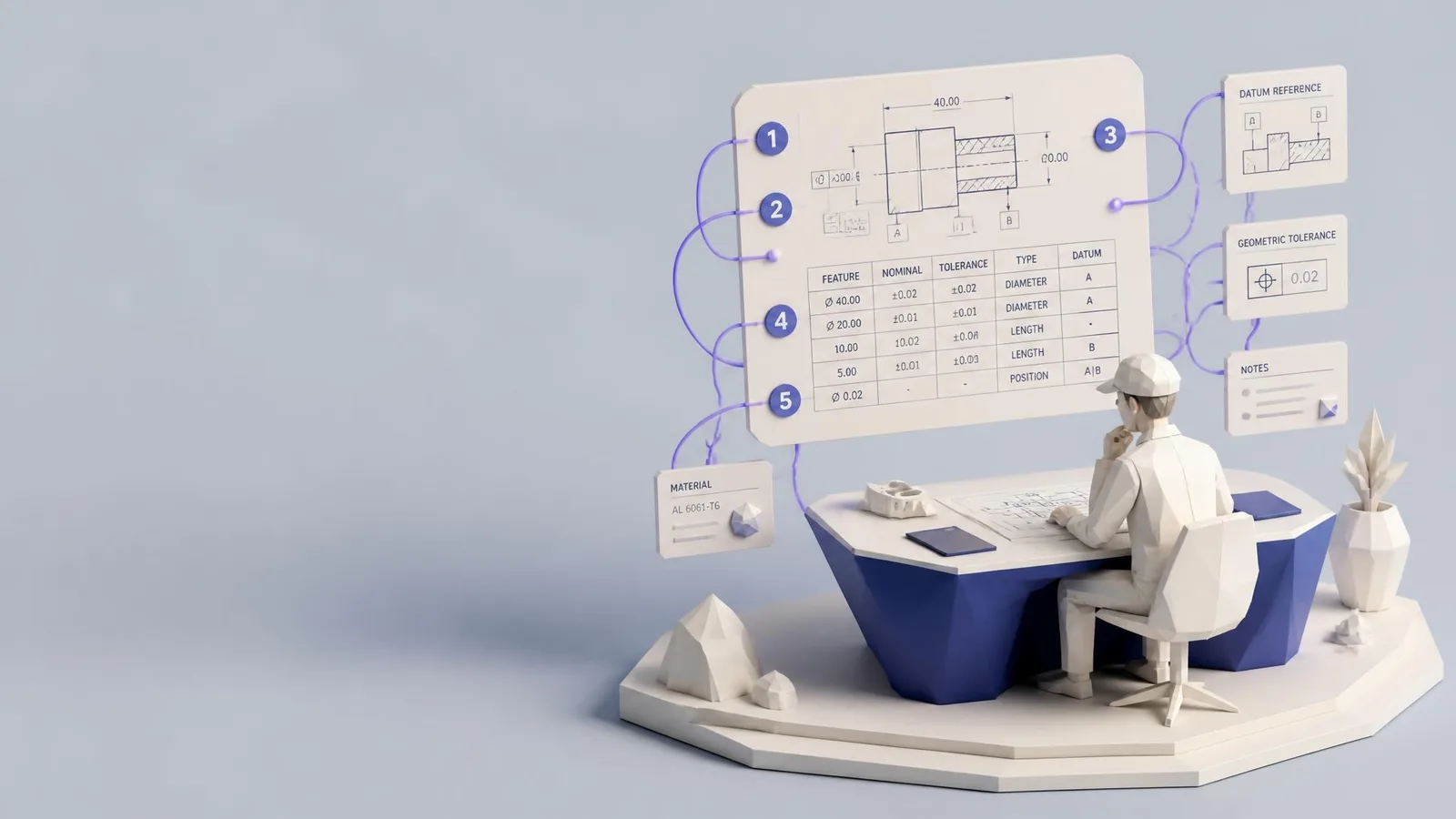
In 1968, the Apollo 8 crew circled the moon and came home. Nobody remembers the press conference. People remember the flight manual: 300 pages of tolerances, abort sequences, and operating limits that every astronaut and engineer on the ground could verify line by line. Credibility lived in the specs.
That same principle shapes content marketing for manufacturers selling to engineering buyers today.
Content marketing for manufacturers selling to engineers works when it uses formats engineers recognize from their professional world: application notes, indexed specification pages, comparison tables with real test data, how-it-works explainers, third-party validation summaries, and troubleshooting content built from real customer questions. These 6 formats earn credibility because they contain information an engineer can verify.
Engineers spend their careers evaluating claims against data. Marketing language that lacks supporting evidence gets dismissed before it’s read. And with generic AI-written content flooding every search result, trust is the real competitive advantage for any manufacturer willing to publish real numbers.
I want to walk through each of these 6 formats, why they work, and how lean marketing teams can produce them.
Why Marketing to Engineers in Manufacturing Is Different
Engineers act as technical gatekeepers in B2B buying processes. They filter vendors before procurement or management ever sees a shortlist. Content that fails to signal technical competence is eliminated at this stage, regardless of how polished the copy looks.
The filtering mechanism is specificity. An engineer reading vendor content scans for units, tolerances, test conditions, and named certifications. When those details are absent, the vendor is downgraded. It doesn’t matter if the design is clean or the brand voice is on point.
AI-generated content has accelerated this problem. Imprecise language, missing units, and unsourced performance claims can signal to an engineer that the content was not written or reviewed by someone with domain knowledge. Engineers have always filtered for these tells. The volume of content that triggers that filter has grown.
Here’s the misconception I see constantly: people assume engineers avoid vendor content. They don’t. Engineers read vendor content extensively during evaluation. The bar they set is specificity, and marketing to engineers in manufacturing means meeting that bar with every piece you publish.
6 Technical Specification Content Ideas That Build Credibility

Each of these formats earns trust by signaling that a technical manufacturer’s marketing strategy respects the engineering buyer’s evaluation process. The common thread: every format contains information engineers can verify rather than claims they have to take on faith.
- Application notes that show a product performing under defined conditions, with measured outcomes.
- Indexed specification pages published as searchable HTML, capturing long-tail queries from buyers at the point of decision.
- Comparison tables with honest, verifiable data and the test conditions that produced it.
- How-it-works explainers written at the level of someone who’ll notice if you skip a step.
- Third-party validation summaries that contextualize certifications, test reports, and compliance standards.
- Troubleshooting and FAQ content built directly from the questions your applications team answers every week.
Let me break each one down.
The 6 Ideas in Depth
1. Application Notes
An application note shows a product performing a specific task under defined conditions. It includes the setup, the conditions, the measured outcome, and any constraints. Engineers recognize this format from academic literature and supplier documentation, which gives it immediate credibility.
The distinction from a white paper matters. Application notes are tighter, more specific, and more useful at the evaluation stage where a buyer is comparing 2 or 3 products. White papers tend to cover broader topics and sit earlier in the research cycle.
For lean marketing teams without a technical writer, the production shortcut is a structured interview. A 30-minute conversation with an applications engineer, guided by a prepared question set, yields enough raw material for a complete application note. Following technical writing best practices during the write-up ensures the finished piece reads like it came from someone who understands the product.
2. Indexed Specification Pages
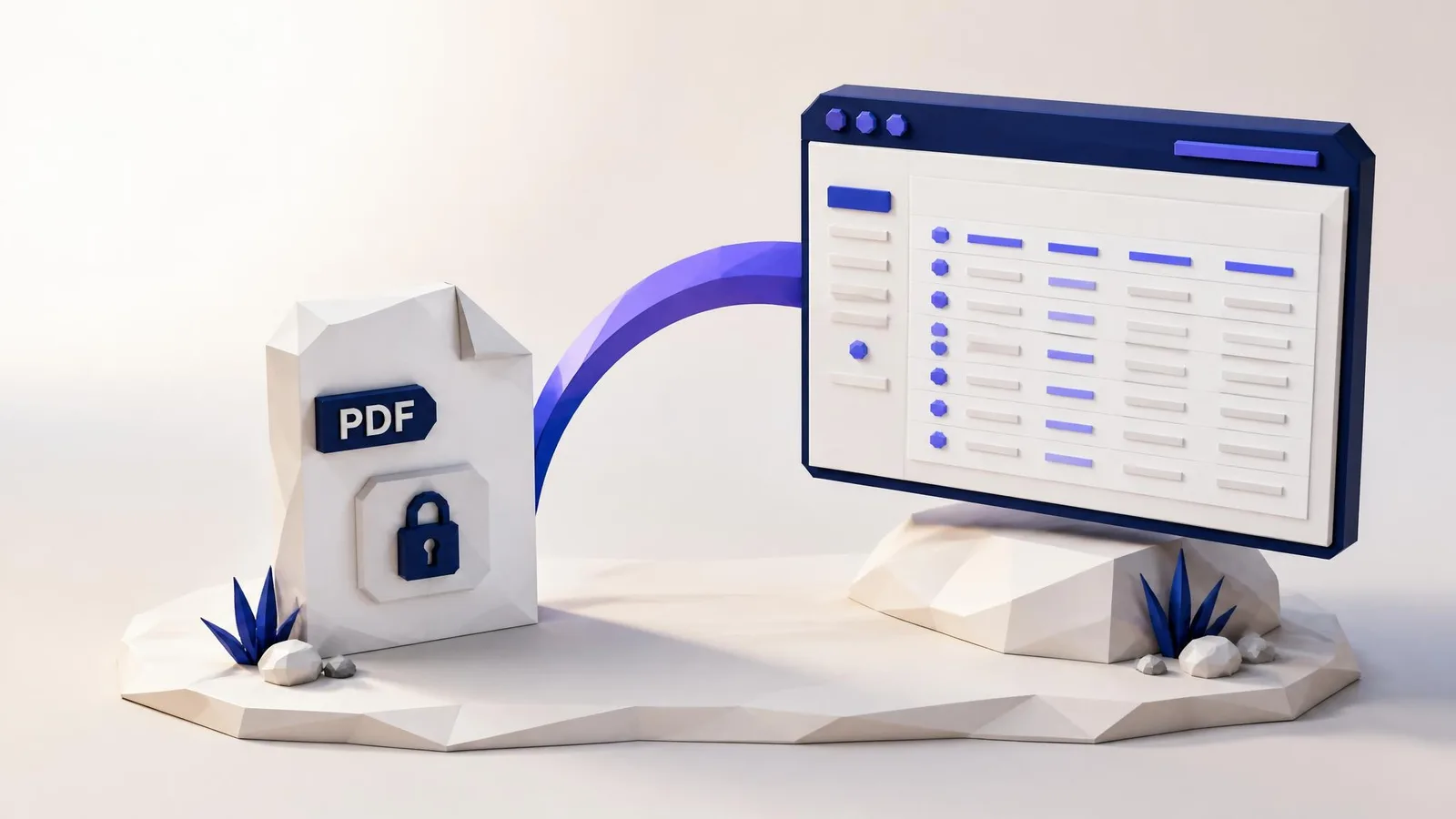
Product specifications buried inside downloadable PDFs are invisible to search. An engineer searching for a specific tolerance range, material grade, or operating temperature won’t find a PDF that Google can’t crawl.
Putting the same data the PDF contains into crawlable HTML pages creates content that ranks for the long-tail queries that represent high-intent buyers at the moment of decision. A page that contains the actual numbers, published in indexable format, captures search traffic the PDF never will.
This is one of the simplest moves in the entire list. The data already exists. The work is publishing it in a format search engines and AI answers can read.
3. Comparison Tables with Honest, Verifiable Data
Side-by-side comparisons of a product’s performance across variables engineers care about (temperature range, load rating, cycle life, certifications) give buyers the decision matrix they’d otherwise build themselves from scattered datasheets.
The credibility comes from including the conditions under which the numbers were measured. A table where every figure has a source or test condition is trusted. A table of unsourced headline claims reads like advertising.
I’d recommend starting with the 3 or 4 performance variables your sales engineers hear about most. Those are the comparisons your buyers are already making; you’re just giving them a cleaner version.
4. How-It-Works Explainers That Respect Your Reader’s Intelligence
An explainer that walks through the operating principle of a product, written for someone with an engineering degree who will notice if you skip a step, performs 2 jobs. It demonstrates the manufacturer’s depth of knowledge. And it helps an engineer quickly assess whether the product is worth investigating further.
The key tone instruction: write for your most technical reader. Talking down is as damaging as vague promotional language. An engineer who senses condescension closes the tab.
5. Third-Party Validation Summaries
Test reports, certifications, and compliance standards are the most trusted content type in a technical buyer’s evaluation because they come from outside the vendor.
A page that surfaces, explains, and contextualizes a manufacturer’s third-party validation evidence turns compliance documentation into searchable, readable content. Which testing body performed the evaluation. Which standard was applied. What conditions were tested. What the result means for an engineer’s specific use case.
Don’t just list the certifications. Explain what they mean. An ISO certification number on its own is a checkbox. A paragraph explaining what that certification required and what it guarantees about manufacturing consistency is a credibility signal.
6. Troubleshooting and FAQ Content from Real Customer Questions
The questions your applications team, sales engineers, and support staff answer every week are the content your engineering buyers are already searching for.
A FAQ page or troubleshooting guide built directly from those real questions is both highly searchable (because it mirrors the exact language buyers type into Google and AI search tools) and inherently credible (because the questions are real).
The workflow is straightforward. Pull the top 10 to 15 questions from your CRM or support inbox. Write the answers in the same direct format your applications team uses internally. Publish them as indexed pages. These become practical content that shows up in Google and AI answers for the exact queries your buyers use at the evaluation stage.

Producing Technical Content Without a Full Engineering Team
The structured engineer interview is the production method that bridges the gap between a lean marketing team and technically accurate content. A 30-minute conversation with an applications engineer, using a prepared question set, yields enough raw material for an application note, a FAQ section, or a comparison table.
The review step isn’t optional. A skilled writer can produce accurate technical content from an interview transcript, but every piece should pass back through an engineer before publication. One review pass from someone who knows the product catches the imprecision that erodes credibility.
I want to be clear about what a B2B manufacturing content strategy looks like here. The goal isn’t to publish frequently. It’s to publish content that owns the specific search queries engineering buyers use at the evaluation stage. 6 pieces of precise, verifiable technical content will drive more organic growth than 60 generic blog posts aimed at the same buyer.
For manufacturers who want the production layer handled, that’s where how cpywrk works fits in. Research, drafting, and quality checks are managed for lean marketing teams while the manufacturer’s team retains editorial control and engineer sign-off.
Frequently Asked Questions
How do engineers research industrial suppliers online?
Many engineers move through technical documentation, comparison resources, peer forums, and indexed specification pages before engaging a sales contact. The content a manufacturer publishes at each of those stages determines whether they make the shortlist. Searchable spec pages and indexed application notes are the highest-value assets at this stage because they’re discoverable at the moment of specification.
How do you build trust with engineering buyers through content?
Trust with engineering buyers comes from specificity and verifiability. Content that includes real test conditions, named certifications, and honest performance ranges (including limitations) earns more credibility than content presenting only the best-case scenario. A single well-constructed application note with real data builds more trust than a dozen blog posts about company values.
Can a small manufacturing team realistically produce technical content?
Yes, with the right workflow. The structured engineer interview plus a disciplined review step lets a lean team produce accurate technical content without a specialist engineering writer. The production method matters more than the team size. B2B content marketing ideas for a small manufacturing team don’t require a large editorial operation; they require a repeatable process for extracting technical knowledge from the people who already have it.
What content formats do engineers actually trust from vendors?
The formats that carry the most credibility are application notes, indexed specification pages with real numbers, comparison tables showing test conditions alongside results, and third-party certification summaries. The common thread is verifiability: engineers trust content where they can check the claims against an external standard or their own experience. These are the content formats engineers trust from vendors because they contain something to evaluate rather than just something to read.
Three things to do this week:
- Pick 1 of the 6 formats where your existing data is strongest and draft that piece first. The fastest path is usually the comparison table, because the data already lives in your datasheets.
- Schedule a 30-minute interview with your most experienced applications engineer. Use a prepared question set focused on the top 5 customer questions they answer repeatedly. That conversation gives you the raw material for at least 2 of these content formats.
- Convert 1 PDF spec sheet into an indexed web page. No new content needed; just publish what you already have in a format that search engines and AI answers can read.
cpywrk
Every article here was made by cpywrk itself: researched, drafted, and run through the same quality and GEO checks the product applies to customer content, then read and approved by a person before it publishes. The blog is the proof.
Related reading
When to Use AI for Content: 7 Jobs to Delegate, 3 to Keep
Discover which content tasks AI handles reliably and which three you must keep yourself, based on where AI is confidently wrong about real-world facts.
7 min read
8 Ways to Keep Your Brand Voice in AI Copywriting
AI drafts default to generic. Here are 8 interventions, from prompt setup to post-draft editing, that keep your brand voice in AI copywriting intact.
6 min read
6 Checks to Run Before Publishing Anything a Machine Drafted
Run these 6 checks before publishing AI content to catch hallucinations, brand voice drift, broken links, and the errors fluency alone won't reveal.
7 min read